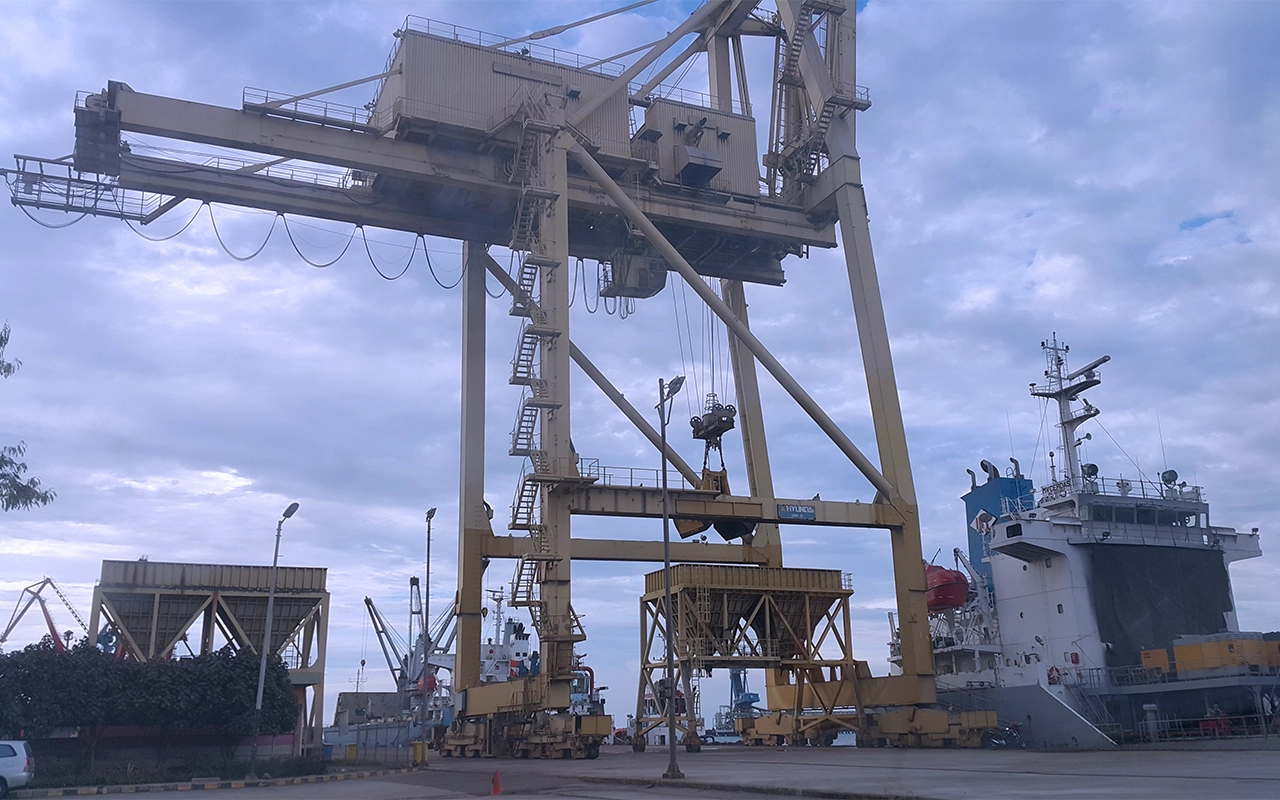
Crane Safety Standards :
Complete Guide to Inspection, Load Testing, and Certification
In industries such as construction, oil & gas, manufacturing, and marine, cranes are essential for lifting operations. However, without proper safety standards, crane usage can lead to serious accidents, operational downtime, and financial losses.
This article provides a comprehensive overview of crane safety standards, including inspection, load testing, certification, and operator responsibilities.
What Are Crane Safety Standards?
Crane safety standards refer to a set of regulations, procedures, and best practices designed to ensure lifting equipment operates safely and complies with legal requirements.
Core elements include:
- Equipment inspection
- Load testing
- Certification
- Operator competency
Why Are Crane Safety Standards Important?
Implementing proper crane safety standards is critical for both compliance and operational efficiency.
Key benefits:
- Reduce workplace accidents
- Protect workers and assets
- Ensure equipment reliability
- Meet legal and audit requirements
- Prevent downtime and financial losses
Types of Cranes Covered
Crane safety standards apply to various types of lifting equipment:
- Mobile Crane
- Crawler Crane
- Tower Crane
- Overhead Crane
- Gantry Crane
- Offshore Crane
Crane Inspection Process
Inspection is the first step to ensure operational readiness.
Scope includes:
- Structural components (boom, hook, wire rope)
- Mechanical and hydraulic systems
- Electrical systems
- Safety devices (limit switches, overload protection)
Routine inspections help detect early signs of failure.
Crane Load Testing
Load testing verifies whether the crane can safely operate within its rated capacity.
Types of testing:
- Static Load Test
- Dynamic Load Test
- Functional Test
These tests are essential to confirm performance and safety reliability.
Crane Certification
After inspection and testing, cranes must obtain official certification.
Includes:
- Equipment certification
- Inspection and testing reports
- Technical recommendations
Certification ensures compliance with applicable regulations.
Role of Operators in Crane Safety
Operators play a critical role in maintaining safety standards.
Required competencies:
- Certified operator license
- Understanding of SOPs
- Risk identification skills
- Ongoing training
Human error remains a major factor in crane-related incidents.
Regulations and Compliance
Crane safety standards are governed by:
- Ministry of Manpower regulations
- National standards
- International best practices
Compliance is mandatory for all companies operating cranes.
Common Mistakes in Crane Operations
Common issues include:
- Overloading
- Lack of routine inspections
- Uncertified operators
- Ignoring safety devices
- Poor maintenance practices
These can lead to severe operational risks if not addressed.
Conclusion
Crane safety standards are essential for safe and efficient operations. Proper implementation through inspection, testing, certification, and training helps minimize risks and improve productivity.
Ensure your crane operations meet the highest safety standards.
Contact our team for professional inspection, testing, certification, and training services.

PT Patra Prima Sertindo
Contact our team for reliable and professional TIC services
Our Services
Industries We Serve
Insights